Common Causes of Concrete Foundation Damage
To address common causes of concrete foundation damage, local contractors can assess issues like soil movement and water intrusion to provide effective repair solutions.
Understanding the common causes of concrete foundation damage is essential for property owners who want to protect their investments and maintain structural integrity. Issues such as soil movement, poor drainage, and improper construction practices can lead to cracks, settling, or even more severe structural problems over time. Recognizing these factors early can help homeowners and property owners take proactive steps to prevent costly repairs down the line. Exploring this topic is a practical way to gain insight into how foundational issues develop and what signs to watch for, making it easier to connect with local contractors who specialize in foundation damage repair.
For those in the area concerned about their property's stability, learning about the typical causes of foundation damage can guide decisions about maintenance and repairs. Local service providers have experience addressing these issues and can help assess whether foundation concerns are present. By understanding the underlying factors, property owners can better determine when professional intervention might be needed, ensuring that repairs are handled promptly and effectively. Keep reading to discover more about these common causes and how local experts can assist in safeguarding your property’s foundation.
- When foundational cracks or shifting are observed due to soil movement, local contractors can assess and repair the damage to restore stability. - Signs of water intrusion or excessive moisture around the foundation may require expert intervention to address underlying issues and prevent further deterioration. - If uneven or sagging floors are present, service providers can evaluate the foundation and implement repairs to correct structural issues. - During signs of settlement or sinking, local pros can perform foundation underpinning and stabilization to prevent further damage. - When foundation walls show bulging or cracking from lateral pressure, experienced contractors can provide solutions to reinforce and protect the structure.
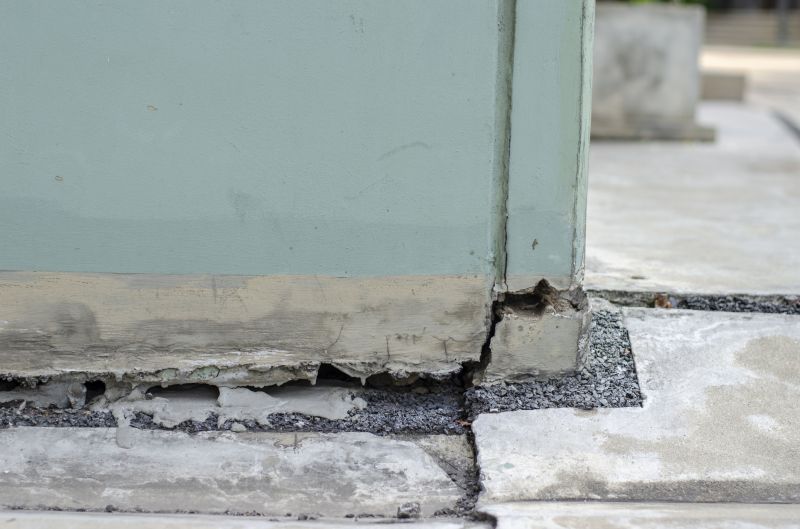
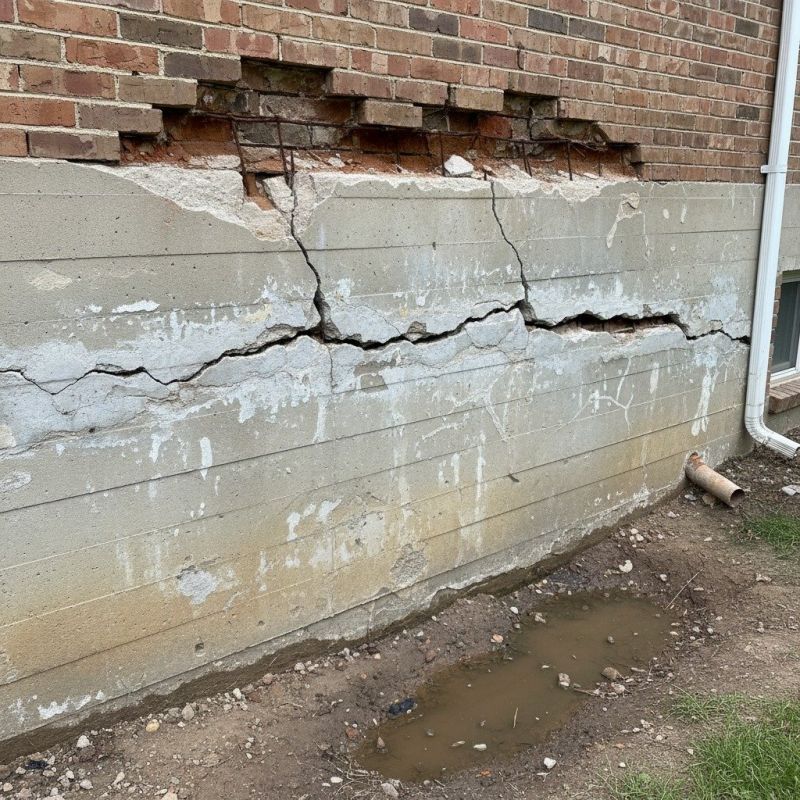
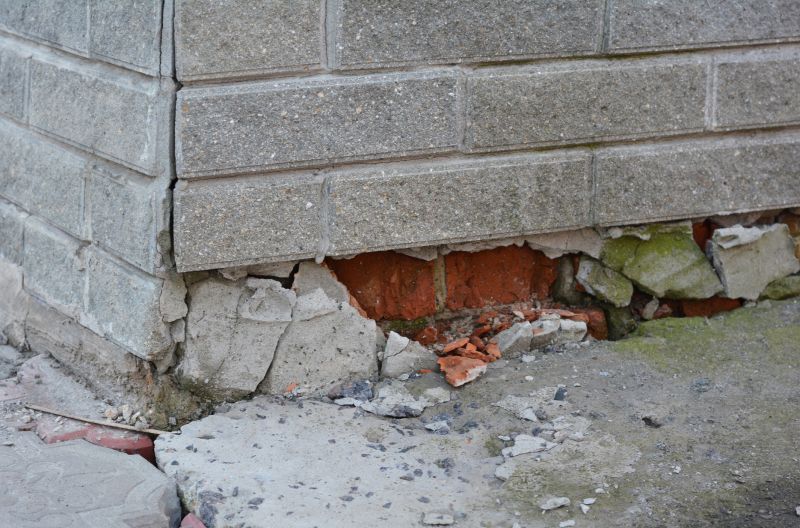
Understanding the common causes of concrete foundation damage is essential for homeowners who want to protect their property and ensure its stability over time. When people search for this topic, they are often concerned about signs of foundation issues, such as cracks, uneven floors, or doors that stick. These problems typically relate to the structural integrity of the foundation itself, which can be compromised by a variety of factors. Recognizing the root causes helps homeowners make informed decisions about repairs and maintenance, and it highlights the importance of consulting experienced local contractors who specialize in foundation repair.
Many foundation problems stem from issues with soil conditions surrounding the property. For example, expansive clay soils tend to swell when wet and shrink when dry, exerting pressure on the concrete and causing cracks or shifting. Poor drainage around the foundation can also lead to water pooling or seeping into the soil, which further weakens the ground supporting the structure. Additionally, improper grading or landscaping can direct water toward the foundation rather than away from it, increasing the risk of damage. Local service providers who understand these soil and drainage challenges can evaluate the site and recommend solutions to prevent further deterioration.
Another common cause of concrete foundation damage involves fluctuations in moisture levels. Heavy rainfall or drought conditions can lead to soil expansion and contraction, putting stress on the foundation. Excess water can wash away supporting soil or cause erosion, while prolonged dry periods can lead to soil shrinking and creating voids beneath the concrete. These shifts often result in cracks, uneven settling, or even foundation sinking. Homeowners living in regions with variable weather patterns should be aware of how moisture changes impact their foundation, and local contractors can provide tailored advice and repair options to address these issues effectively.
Structural issues within the property itself can also contribute to foundation damage. For example, poorly designed or constructed additions, inadequate reinforcement, or excessive weight on certain parts of the structure can create stress points that lead to cracking or settling. Over time, these internal stresses may manifest as visible damage to the foundation. Identifying and addressing these underlying structural concerns often requires the expertise of local foundation repair specialists who can assess the overall condition of the property and recommend appropriate reinforcement or stabilization measures. Proper diagnosis and timely intervention can prevent minor issues from escalating into major, costly repairs.
Concrete driveway replacement - this type of project involves similar planning, excavation, and reinforcement skills used in addressing foundation damage caused by soil movement or settling.
Basement wall repair - repairing or reinforcing basement walls requires expertise in concrete and understanding of structural issues related to foundation stability.
Slab leveling and lifting - techniques used to correct uneven concrete surfaces are closely related to addressing foundation settlement and cracking problems.
Retaining wall construction - building or repairing retaining walls involves soil analysis and drainage planning similar to foundation repair considerations.
Drainage system installation - installing proper drainage helps prevent water-related foundation issues like cracking and shifting, requiring similar site assessment skills.
Crawl space encapsulation - this project involves moisture control and soil management, which are key factors in preventing foundation damage from moisture intrusion.
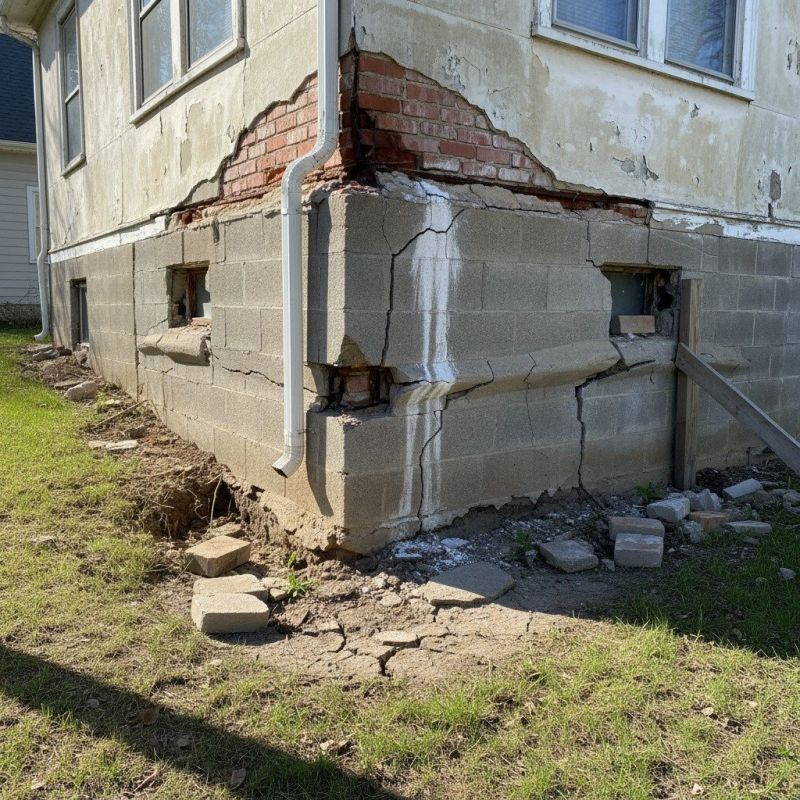
When evaluating service providers for foundation damage repair, it is important to consider their experience with similar projects. Homeowners should look for local contractors who have a proven track record of addressing common causes of concrete foundation damage, such as settlement, soil movement, or moisture issues. Asking about past work in similar situations can provide insight into their familiarity with the specific challenges that may arise and their ability to deliver effective solutions.
Clear written expectations are essential when comparing foundation repair services. Pros who provide detailed proposals outlining the scope of work, materials to be used, and the anticipated outcomes help ensure there are no surprises during the project. Homeowners should seek providers who communicate openly about what the repair process involves, what to expect during each phase, and any potential limitations or considerations related to foundation damage repair.
Reputable references and effective communication are key indicators of a reliable service provider. Local contractors who can furnish references from previous clients with similar repair needs demonstrate a history of satisfactory work. Additionally, service providers who are responsive, transparent, and willing to answer questions throughout the process can help homeowners feel confident in their choice. Good communication ensures that project details are understood and that any concerns are addressed promptly, leading to a smoother repair experience.
Property owners often search for common causes of concrete foundation damage when they are planning practical projects around their homes and businesses. Local pros provide Foundation Damage Repair services for everyday jobs and straightforward project options.
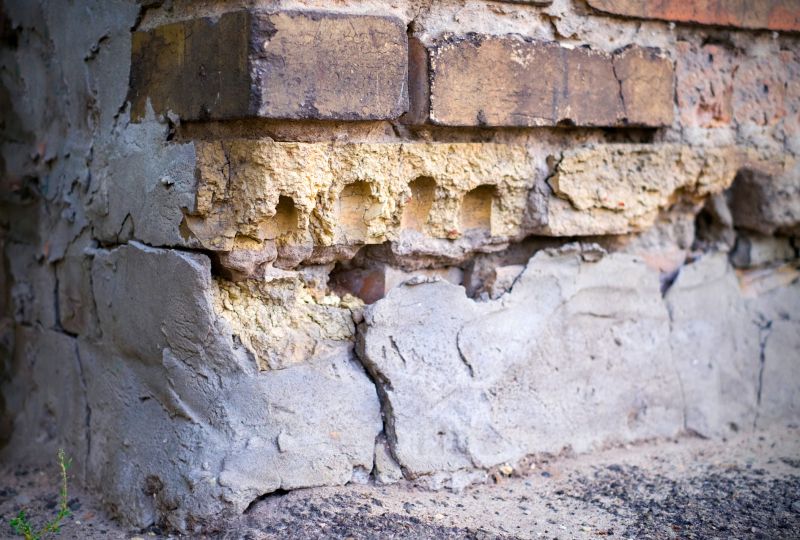
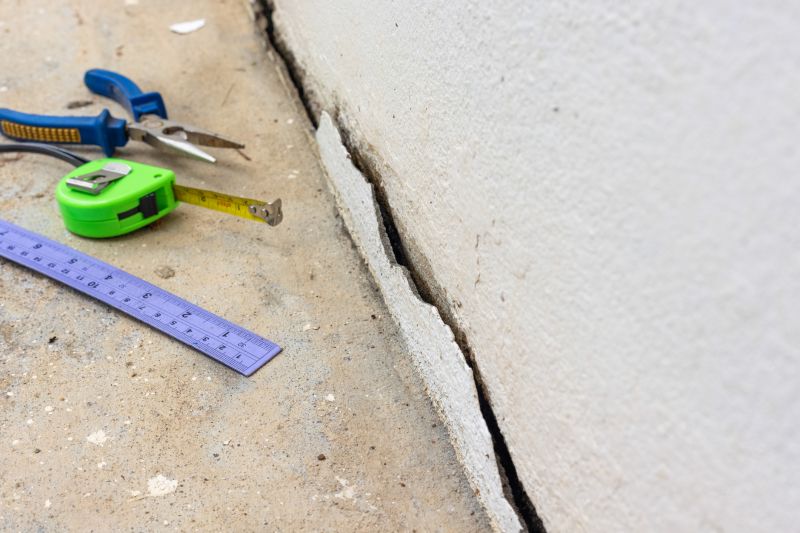
Many property owners in the area look up common causes of concrete foundation damage after noticing cracks, uneven floors, or other structural issues in their homes. Everyday situations such as poor drainage around the property, heavy rainfall, or improper grading can lead to water pooling near the foundation, which over time can weaken the concrete. Additionally, fluctuations in moisture levels-whether from drought conditions or excessive watering-can cause the soil beneath the foundation to expand or contract, putting stress on the concrete and increasing the risk of damage.
Other common reasons for foundation problems include soil movement due to natural settling or nearby construction activities. Heavy equipment or excavation work close to the property can disturb the ground, leading to shifts that compromise the foundation’s stability. Over time, these issues may result in cracks or settling that require attention from local contractors specializing in foundation damage repair. Property owners often seek out these professionals to evaluate the situation and determine the best course of action to restore the foundation’s integrity.
What are common causes of concrete foundation damage? Common causes include soil movement, poor drainage, and inadequate construction practices that lead to shifting or settling of the foundation.
How does soil expansion and contraction affect foundations? Soil that expands when wet and contracts when dry can exert pressure on the foundation, causing cracks and structural issues.
Can water issues lead to foundation damage? Yes, poor drainage or water accumulation around a foundation can weaken the concrete and cause erosion or cracking over time.
What role does poor construction play in foundation damage? Improperly mixed concrete, insufficient reinforcement, or inadequate curing during construction can make foundations more susceptible to damage.
How do local contractors address foundation damage caused by these issues? They assess the specific causes and perform repairs such as underpinning, crack sealing, or drainage improvements to restore stability.
Soil erosion and shifting ground - property owners can evaluate drainage and landscaping to prevent soil movement that causes foundation settling, with local contractors providing stabilization solutions.
Poor drainage and water pooling - ensuring proper grading around the property helps reduce water infiltration, and local service providers can install effective drainage systems.
Tree roots and vegetation - managing nearby trees and plants can prevent roots from penetrating and damaging the foundation, with local pros offering root barrier installation.
Frost heave and temperature changes - understanding seasonal impacts allows property owners to implement insulation or moisture control measures, with local contractors assisting in protective modifications.
If you are thinking about common causes of concrete foundation damage for a property, this guide is meant to help you understand this topic, the typical project types, and how different options might fit your plans.
When you are ready, you can use the quote form on this page to share a few details about your project. From there, local pros can review the basics and follow up with options that match what you have in mind.